Using the Spalding Method in Therapy: Complementing School-Based Literacy Programs


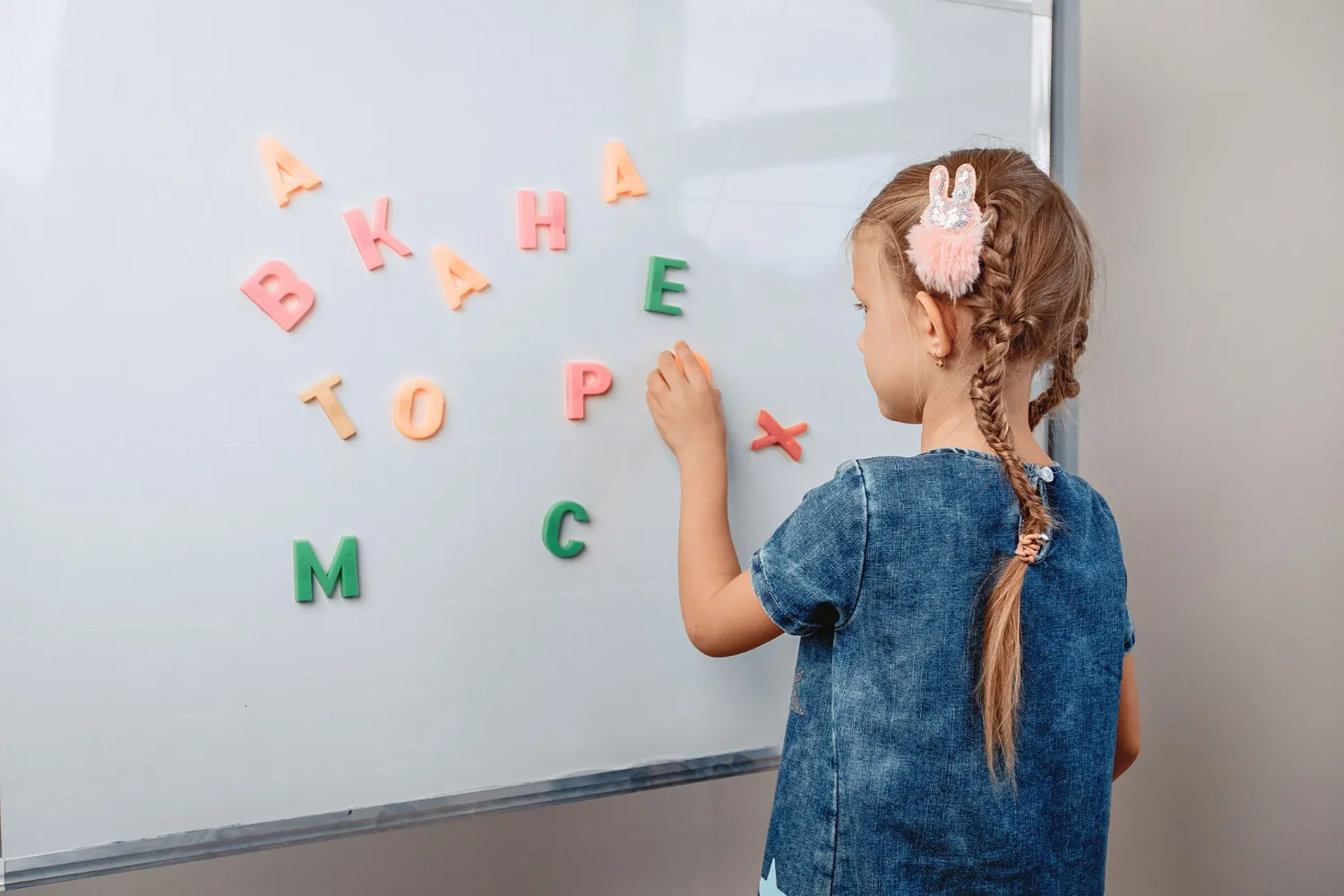
Using the Spalding Method in Therapy: Complementing School-Based Literacy Programs
Many primary schools today use evidence-based, systematic phonics programs such as Sounds-Write, Little Learners Love Literacy, MiniLit and MultiLit. These programs introduce children to phoneme–grapheme correspondences, blending, segmenting and early reading.
At Speak & Write, we use the Spalding Method to support primary school students who benefit from a clear, structured approach that fills skill gaps and strengthens their overall literacy foundation.
Some parents or teachers may have concerns that using the Spalding Method in therapy sessions may lead to confusion if the student is exposed to different literacy instruction approaches at school. This is valid and below we will explore the benefits of the Spalding Method and how it aligns with or differs from other widely-used primary school literacy approaches.
The Spalding Method is an evidence-based multisensory approach to literacy development and incorporates letter-sound association practice, spelling, reading comprehension strategies and letter formation. The Spalding Method focuses on the central concepts that one spelling can have multiple sounds and single sounds can be represented by multiple spellings.
Sounds~Write is a structured synthetic phonics approach focusing on phoneme–grapheme correspondences, blending, segmenting and fluency. Used mainly for whole-class foundational phonics or intervention. While there is a strong foundation in spelling and writing, there is less emphasis on reading.
Little Learners Love Literacy (LLLL) is a highly structured early-years phonics program with decodable books, handwriting, phonemic awareness and vocabulary work. Common from Kindergarten to Year 2 however it doesn’t support older struggling readers who often need more specialised, step-by-step support in areas like advanced phonics, spelling, and comprehension, which LLLL doesn’t cover in enough depth.
MiniLit/MultiLit are small-group intervention programs for children significantly behind in reading. MiniLit (Years 1–2) targets core decoding and early reading; MultiLit includes older-reader programs. MiniLit and MultiLit primarily provide reading instruction and don’t have a real focus on spelling.
The Spalding Method is built on these 6 pillars:
- Explicit – Skills are directly taught with clear, unambiguous instruction rather than inferred.
- Systematic – Content is organised and taught according to a planned, logical structure.
- Sequential – Skills are introduced in a deliberate order that builds from simple to more complex.
- Multisensory – Learning engages multiple pathways (seeing, hearing, speaking, writing, manipulating).
- Diagnostic – Instruction is informed by ongoing assessment and adjusted to student needs.
Many school-based literacy programs share these principles but to different degrees, in the table below we can compare some common programs your child might be using at school and how they may overlap and complement the Spalding Method.
The Spalding Method works well alongside other literacy programs because it teaches children how reading, spelling, handwriting, and writing all fit together. Its clear, step-by-step approach helps build strong foundations, boosts confidence, and supports learners who need extra help to make real progress with their literacy skills.






.webp)


